Trump Iran ceasefire extension keeps Hormuz blockade intact. Analyze geopolitical risks, oil impact, and what comes next.
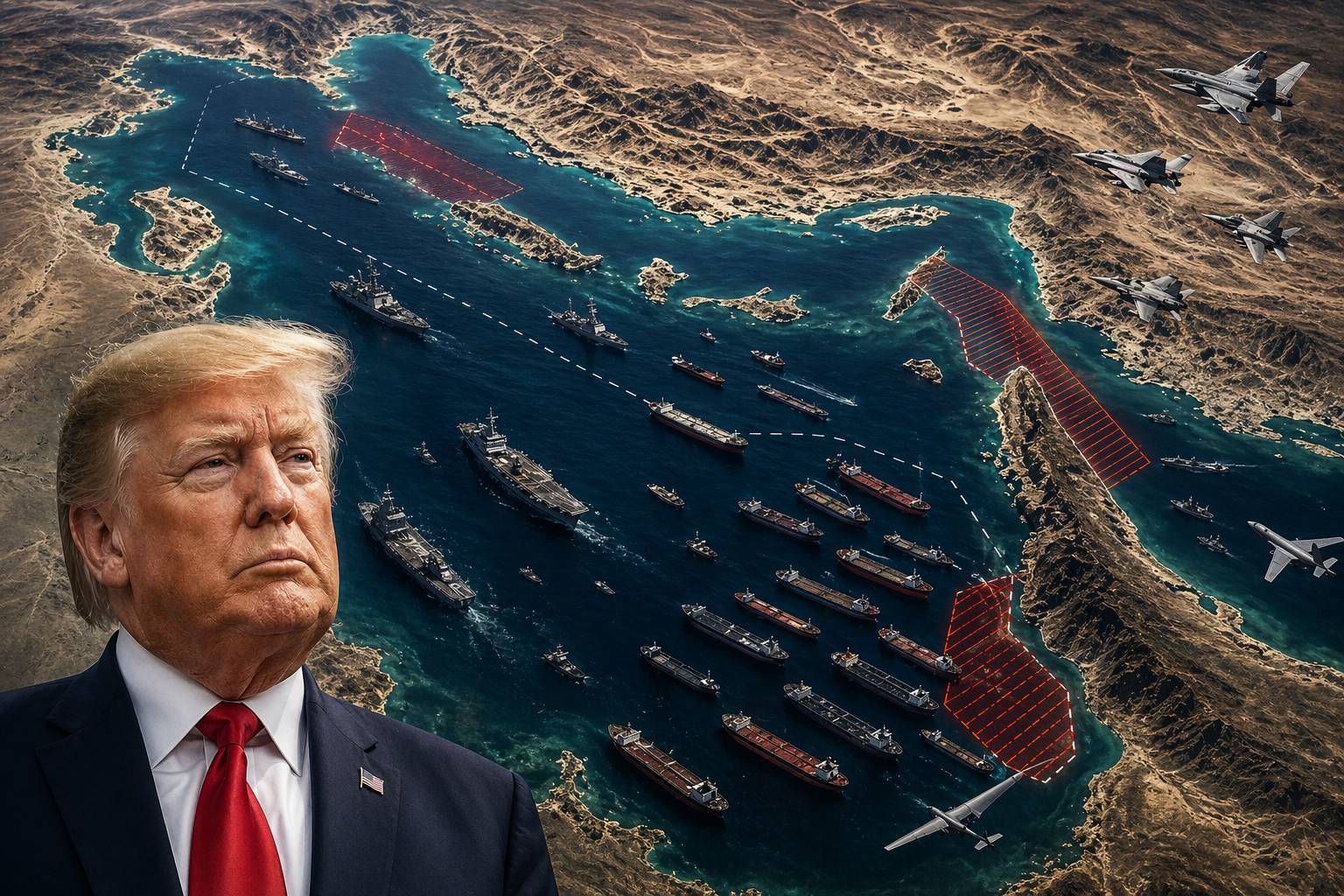
Trump Iran ceasefire extension is being sold as diplomacy, but the reality is harsher. The Trump Iran ceasefire extension delays immediate conflict while preserving the most aggressive pressure tool in play: a full-scale maritime blockade. This is not peace. It is a controlled standoff. The Trump Iran ceasefire extension keeps military escalation paused on land and air, but intensifies economic warfare at sea, particularly in the Strait of Hormuz, the world’s most critical energy chokepoint.
Table of Contents
- What the Trump Iran Ceasefire Extension Actually Means
- Why the Trump Iran Ceasefire Extension Is Structurally Weak
- Hormuz Blockade: The Core of the Crisis
- Pakistan’s Role in the Trump Iran Ceasefire Extension
- Global Market Impact
- Future Scenarios
What the Trump Iran Ceasefire Extension Actually Means
The Trump Iran ceasefire extension came hours before the truce was set to expire. The decision:
- Extends the ceasefire until Iran submits a unified proposal
- Keeps the US naval blockade fully operational
- Was influenced by Pakistan’s mediation efforts
At the same time:
- The US continues seizing Iranian-linked vessels
- Iran calls the blockade economic warfare and piracy
The Trump Iran ceasefire extension looks like progress, but structurally it’s unstable.
1. Opposite Preconditions
- Iran: Lift blockade first
- US: No relief without concessions
This ensures deadlock.
2. Internal Instability in Iran
The Trump Iran ceasefire extension is partly justified by claims that Iran’s leadership is “fractured”. Fragmented regimes don’t negotiate better—they act unpredictably.
3. Persistent Threat of Escalation
Even with the ceasefire extension, both sides are preparing for conflict:
- The US has signaled readiness to resume military action
- Iran views the extension as a delay tactic for future strikes
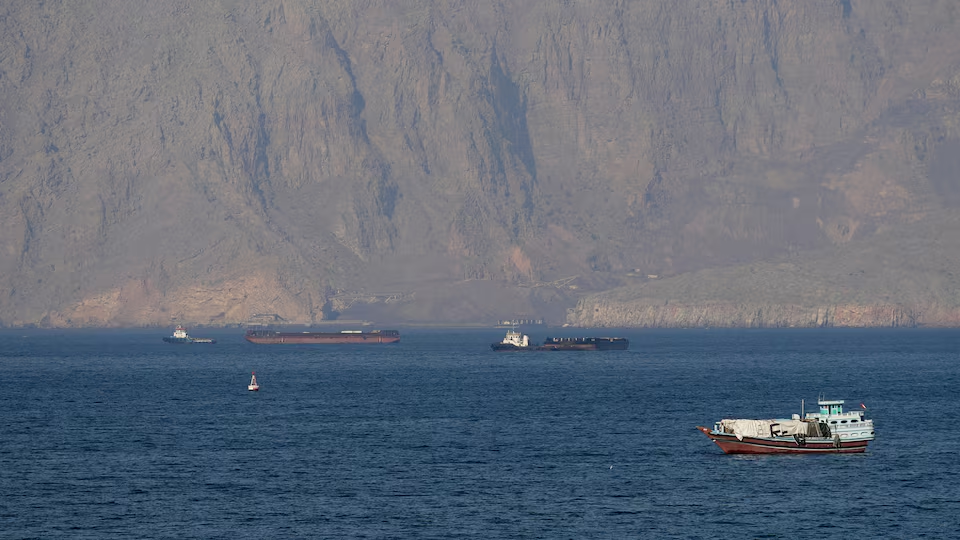
Strait of Hormuz Crisis: The Core of the Blockade
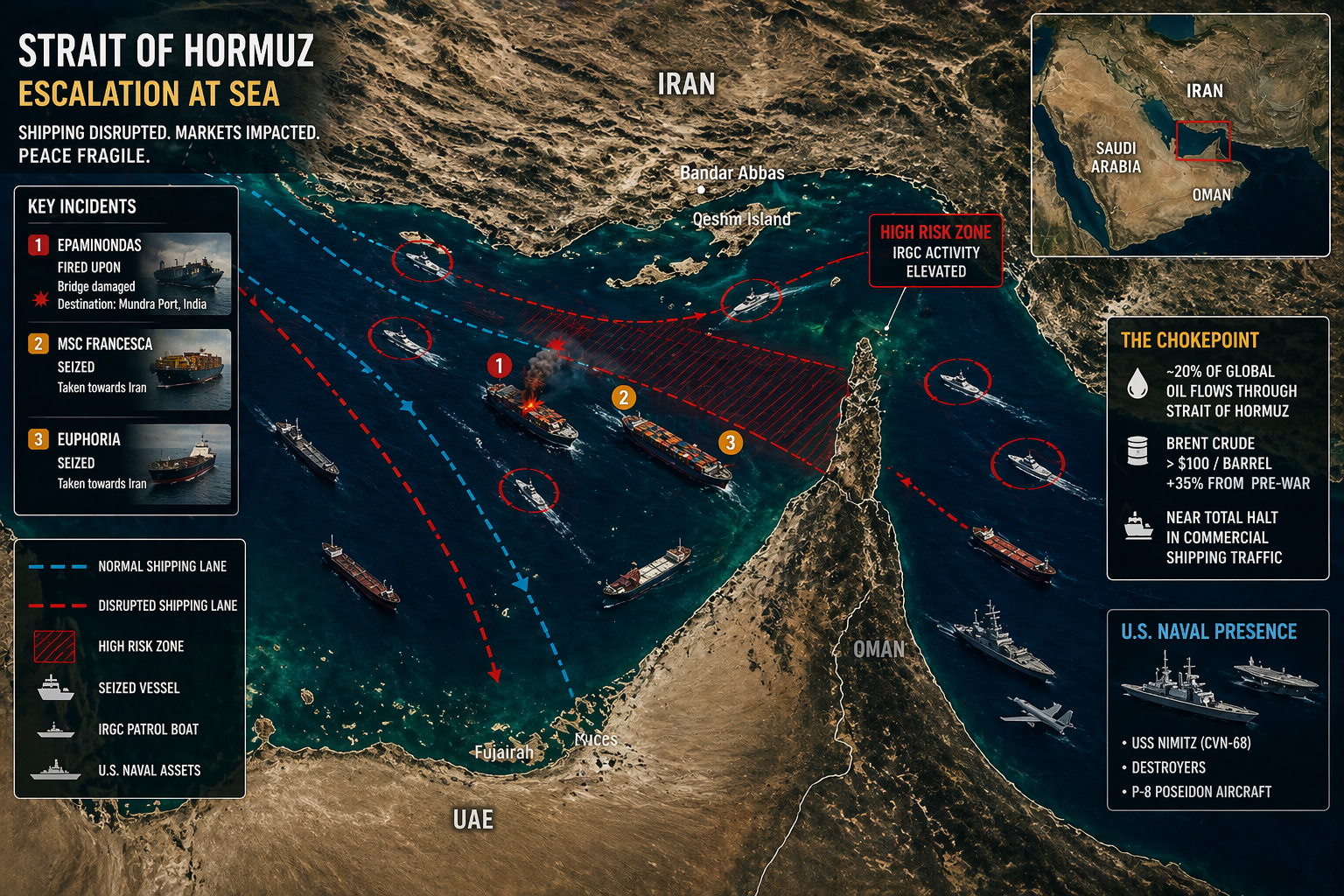
- ~20% of global oil flows through Hormuz
- US has imposed near-total maritime control over Iranian trade routes
- Iran threatens conditional or restricted passage via IRGC
Pakistan’s Role in the Trump Iran Ceasefire Extension
Pakistan is central to the Trump Iran ceasefire extension, but calling it a diplomatic win is premature—and frankly, misleading.
What you’re seeing is visibility, not control.
What Pakistan Has Actually Achieved
- Triggered the Trump Iran ceasefire extension at a critical moment
- Positioned Islamabad as the default venue for negotiations
- Leveraged its rare dual-channel access to both Washington and Tehran
- Temporarily prevented an immediate escalation cycle
What Pakistan Has NOT Achieved
- No formal confirmation from Iran to attend talks
- No structured negotiation roadmap (agenda, sequencing, concessions)
- No commitment from the US to ease the Hormuz blockade
- No de-escalation mechanism beyond delay tactics
Strategic Reality: Pakistan Is a Messenger, Not a Power Broker
Pakistan’s leverage is being overstated for one simple reason:
It cannot enforce outcomes.
- It cannot force Iran to negotiate under blockade
- It cannot push the US to lift maritime pressure
- It cannot guarantee compliance from either side
At best, Pakistan is facilitating communication.
At worst, it’s being used as a convenient diplomatic buffer.
Global Market Impact
The ceasefire extension has not stabilized markets, it has frozen them in uncertainty.
- Oil prices remain volatile due to Hormuz disruption
- Shipping insurance costs are rising
- Tankers are stuck awaiting clearance
Future Scenarios
1. Managed Deal (Low Probability)
The ceasefire extension leads to a negotiated framework.
Problem: Iran’s core demands remain incompatible.
2. Prolonged Deadlock (Most Likely)
- Repeated extensions
- Continued blockade
- Ongoing uncertainty
This is the “controlled instability” phase.
3. Escalation (High Impact)
- Talks collapse
- US resumes strikes
- Iran restricts or closes Strait of Hormuz Crisis
Conclusion
The Trump Iran ceasefire extension is not a solution, it’s a delay mechanism.
- The blockade continues
- Military readiness remains high
- Core disputes are unresolved