Strait of Hormuz Crisis Overview
The Strait of Hormuz crisis explained begins with a sharp geopolitical reversal that has immediately disrupted global energy markets. Less than 24 hours after reopening the Strait under a ceasefire framework, Iran reinstated strict military control triggered by the United States’ refusal to lift its naval blockade.
This is not just another Middle East flashpoint. It is a strategic escalation involving the world’s most critical energy chokepoint, with direct implications for oil prices, global trade flows, and geopolitical stability.
Table of Contents
- What Exactly Happened?
- Why the Strait of Hormuz crisis Matters
- The Real Trigger: U.S. Blockade Strategy
- Iran’s Strategic Calculus
- Global Economic Fallout
- Winners and Losers
- Future Scenarios and Strategic Outlook
What Exactly Happened?
The timeline is brutally simple:
- A 50-day war between the U.S., Israel, and Iran destabilized the region
- Iran briefly reopened the Strait post-ceasefire
- The U.S. refused to lift its naval blockade
- Iran responded by reimposing strict military control
Key escalation signals:
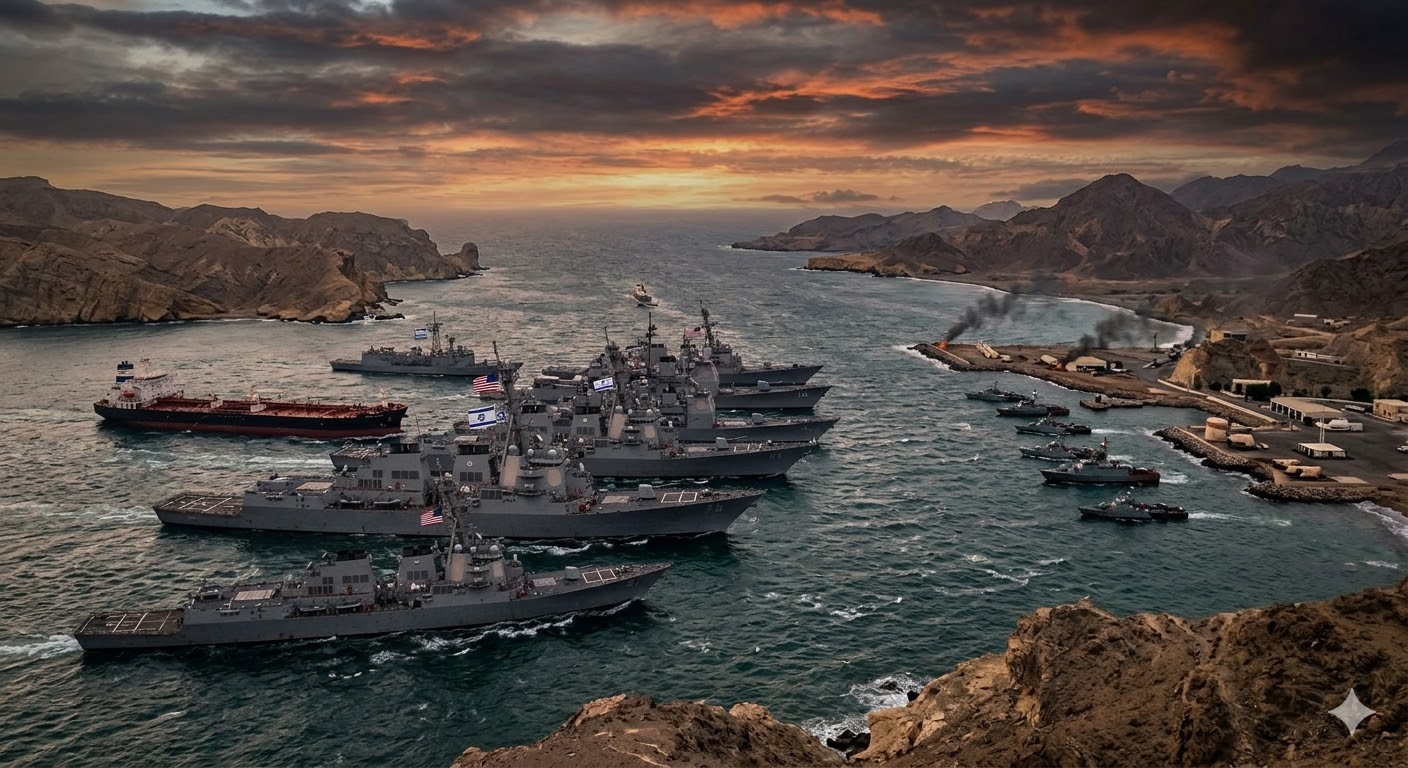
- U.S. deployed guided-missile destroyers for mine-clearing
- Iran mandated IRGC authorization for all vessel movement
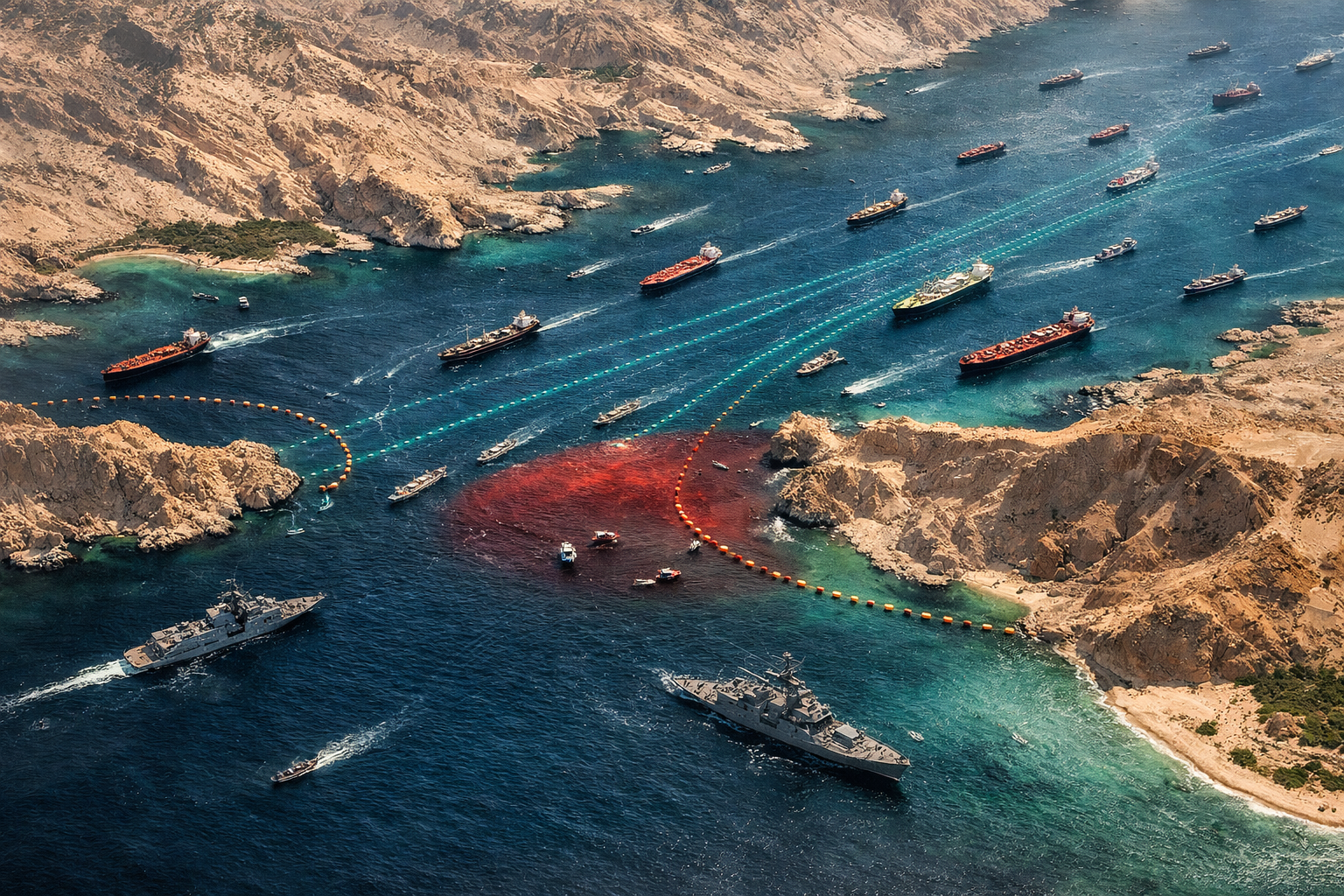
- Oil tankers began turning back near Qeshm Island
This isn’t confusion—it’s controlled escalation.
Why the Strait of Hormuz crisis Matters?

Image Source : EIA
If you don’t understand this, you don’t understand the crisis.
- Handles over 20% of global oil and LNG supply
- Connects Persian Gulf producers to global markets
- No viable short-term alternative routes at scale
Any disruption here:
- Moves oil prices instantly
- Impacts inflation globally
- Forces governments into reactive policy decisions
This is leverage at a global scale.
The Real Trigger: U.S. Blockade Strategy
The immediate cause wasn’t military—it was strategic signaling.
U.S. President Donald Trump made three critical moves:
- Declared the naval blockade would remain “full force”
- Linked blockade removal to nuclear concessions
- Issued explicit military threats against Iran
This changes the equation.
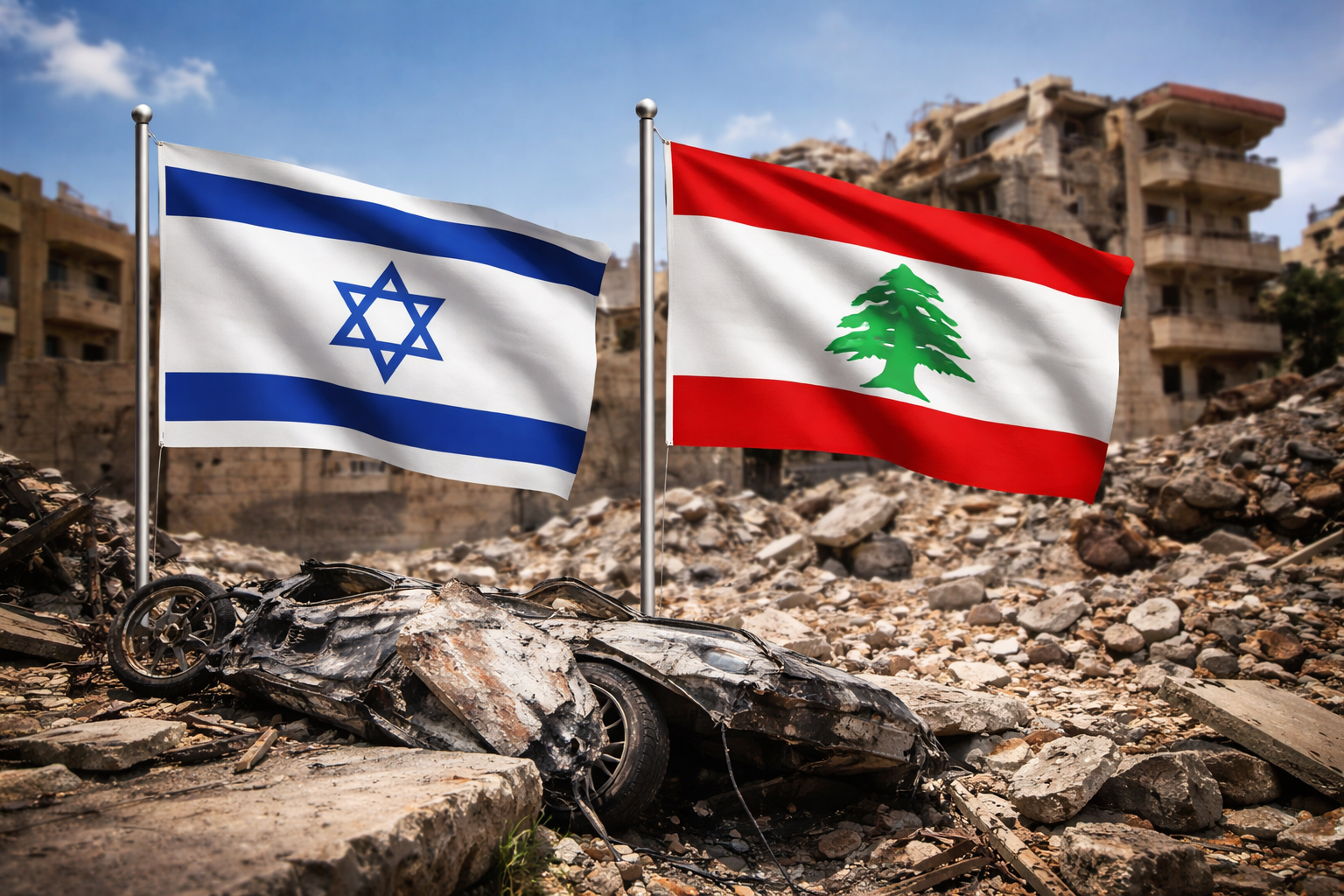
The Israel-Lebanon ceasefire is a pivotal diplomatic development that occurred in the immediate aftermath of the 50-day US-Israel-Iran War.
That’s coercive diplomacy backed by naval power.
Iran’s Strategic Calculus
Iran’s response is not emotional—it’s calculated.
Led by Mojtaba Khamenei, Tehran is leveraging its strongest card: geography.
Key moves:
- Restricting passage via IRGC-controlled routes
- Turning commercial shipping into a bargaining chip
- Signaling readiness for naval confrontation
Parliament Speaker Mohammad Bagher Ghalibaf made it explicit:
The Strait’s status will be decided “on the field, not on social media.”
Translation:
Negotiations don’t matter if control is enforced physically.
Global Economic Fallout
1. Energy Market Shock
- Oil briefly dropped below $91/barrel post-ceasefire
- Now facing renewed volatility
- Shipping data shows restricted flows
2. Production Losses
- Gulf producers lost ~40% output in March
- Estimated losses: $50 billion
That’s not disruption that’s systemic shock.
3. Policy Distortions
- U.S. renewed Russian oil sanctions waivers
- Markets are being artificially stabilized
This is where geopolitics distorts free markets.
Future Scenarios and Strategic Outlook
Three realistic paths:
1. Controlled De-escalation (Low Probability)
- Negotiated reopening
- Conditional lifting of blockade
- Stabilized oil markets
2. Prolonged Standoff (Most Likely)
- Restricted shipping
- Periodic military tensions
- Sustained oil volatility
3. Full Escalation (High Impact Risk)
- Direct naval conflict
- Complete closure of Strait
- Oil shock beyond $120/barrel
This isn’t about the Strait.
It’s about control over negotiation leverage.
- The U.S. controls financial and naval pressure
- Iran controls physical chokepoints
This is asymmetric warfare at a macro level.
Whoever forces the other into a constrained decision space wins.
Right now?
Both sides are escalating without conceding.
Conclusion
The Strait of Hormuz crisis is not just a regional conflict it is a global economic pressure point being actively weaponized. Iran’s reversal is a calculated move to counter U.S. coercion, not a breakdown in diplomacy.
The market implication is clear:
Volatility is not temporary it’s structural until power balance shifts.
Watch three signals:
- Oil tanker movement data
- U.S. naval deployments
- Iran’s authorization patterns
That’s where the real story is.