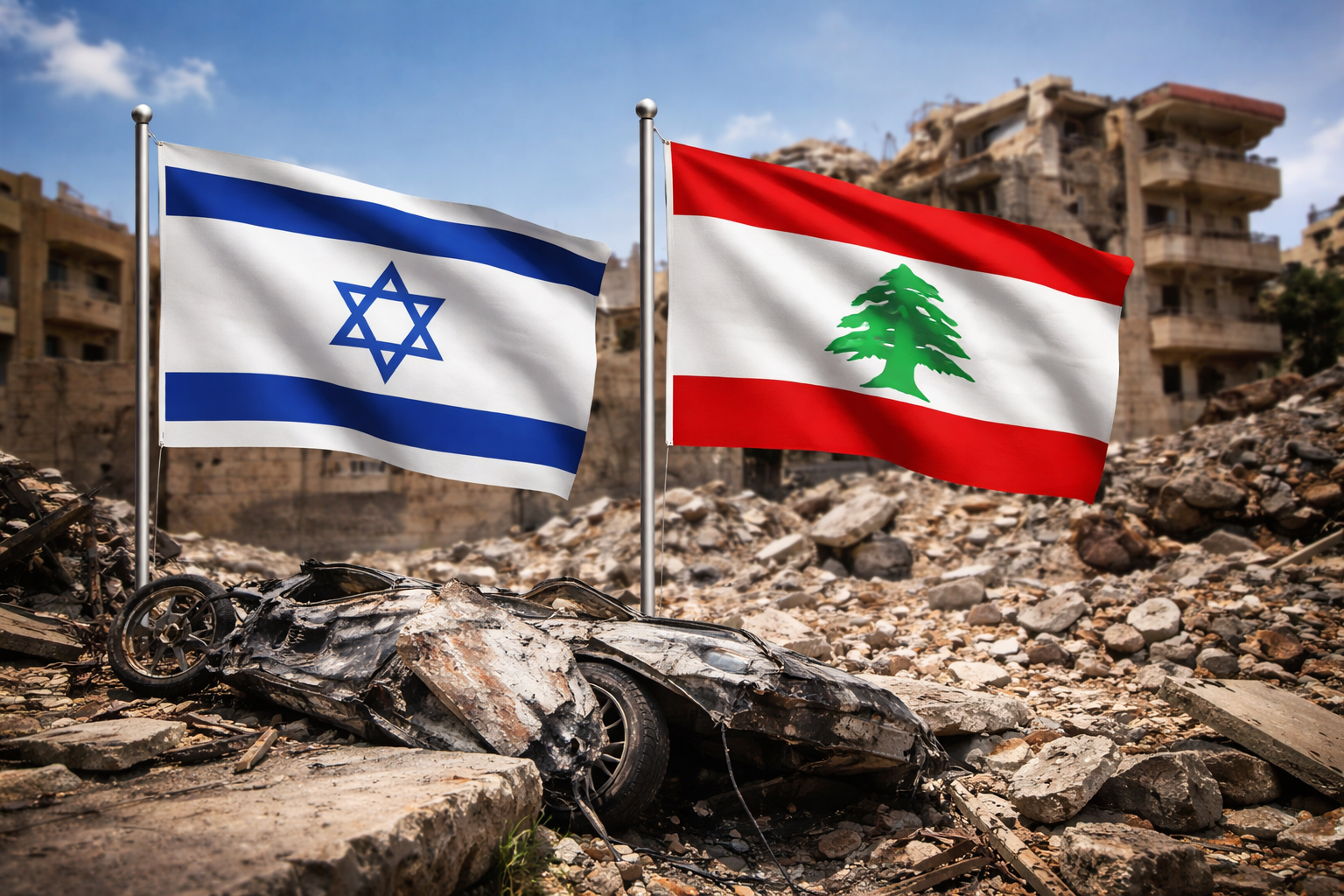
A 10-day ceasefire between Israel and Lebanon came into force on Friday, marking a temporary halt to one of the most dangerous escalations along the northern Israeli border in recent years. The truce, backed by the United States and pushed by Donald Trump, is being viewed by policymakers less as a peace breakthrough and more as a strategic pause to prevent a broader regional conflict involving Israel–Lebanon.
The agreement follows weeks of intensifying hostilities between Israeli forces and Hezbollah, the Iran-backed militia operating out of southern Lebanon. According to multiple estimates, more than 1,500 rockets were fired into northern Israel during the escalation, while Israeli forces carried out hundreds of retaliatory airstrikes targeting Hezbollah infrastructure. The violence displaced over 150,000 civilians across both sides of the border, underscoring the humanitarian and security toll of the conflict, particularly in the context of Israel–Lebanon tensions.
The ongoing tensions between Israel and Lebanon are a key factor in regional stability, and the recent ceasefire highlights the fragile nature of peace efforts in the Israel–Lebanon context.
Despite the ceasefire, officials on both sides have maintained cautious positions. Israeli Prime Minister Benjamin Netanyahu has signaled that Israel retains the right to respond to any violations, while Lebanon’s leadership has stopped short of committing to direct negotiations with Israel, reflecting internal political constraints and the limited control Beirut exercises over Hezbollah’s military operations in the ongoing Israel–Lebanon situation.
Economic Pressures Accelerate Diplomatic Push
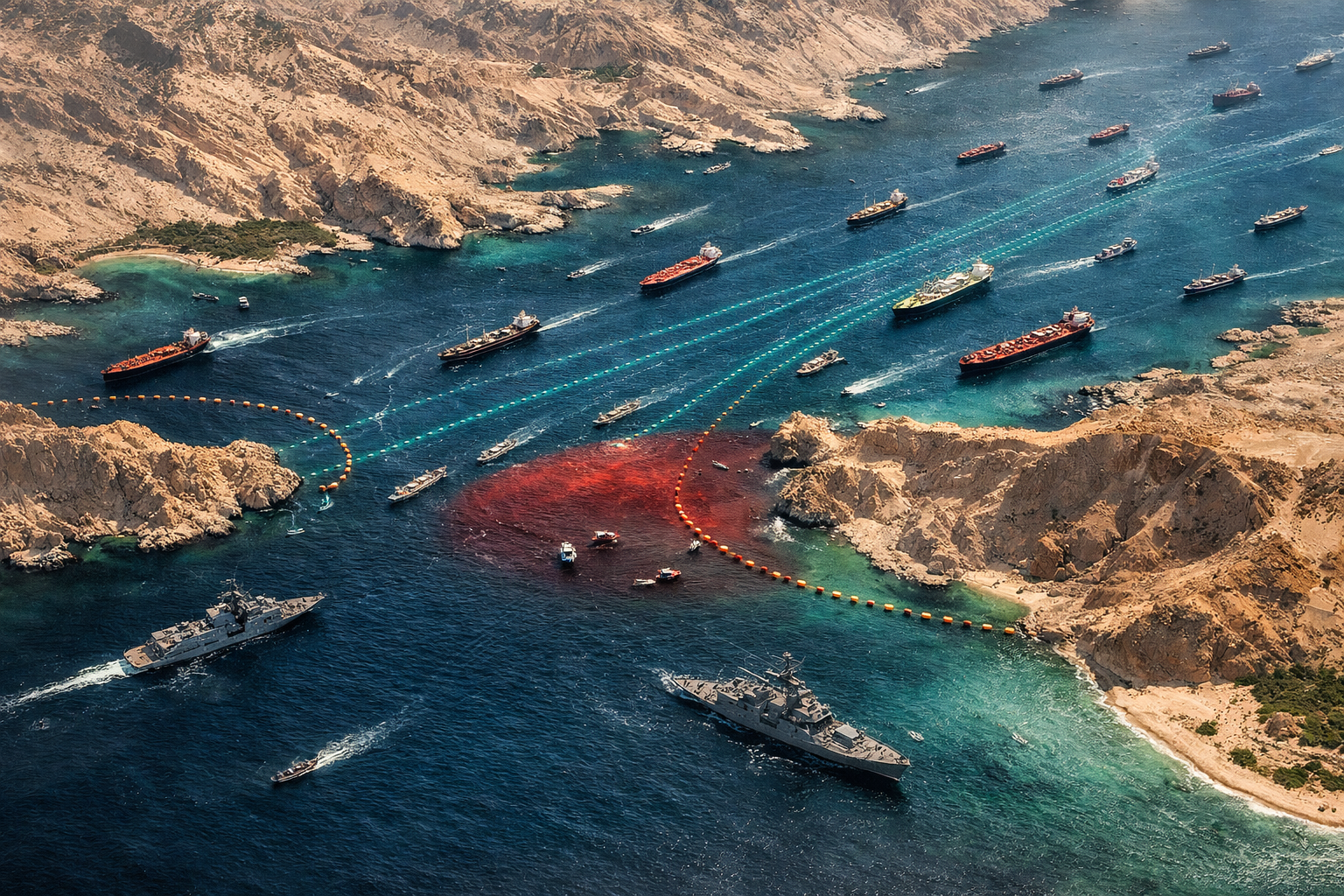
Beyond the battlefield, rising economic risks played a decisive role in accelerating the ceasefire. Tensions linked to Iran have already begun affecting the Strait of Hormuz, a critical maritime route through which nearly 20% of global oil supply passes. Recent disruptions and heightened security concerns have pushed crude oil prices up by an estimated 7–12%, while increasing shipping and insurance costs across key trade routes.
Analysts say that a prolonged Israel–Lebanon conflict, combined with instability in the Gulf, could trigger broader global inflationary pressures and disrupt energy supply chains, particularly for major importers in Asia and Europe. The ceasefire, therefore, serves a dual purpose—containing military escalation while stabilizing fragile energy markets.
Ceasefire Linked to Wider Iran Strategy
The timing of the truce also aligns with renewed signals from Washington about potential engagement with Iran. President Trump indicated that talks with Tehran could take place in the coming days, including discussions around nuclear activity and regional de-escalation, although no formal agreement has been confirmed.
Diplomatic observers suggest that stabilizing the لبنان front is a prerequisite for any meaningful U.S.–Iran dialogue. Continued conflict involving Hezbollah—widely seen as a key Iranian proxy—would complicate negotiations and strengthen Tehran’s leverage in any potential deal.
Fragile Ground Reality Raises Risk of Violations
Despite the diplomatic momentum, the ceasefire faces significant structural challenges. Hezbollah, which operates independently of the Lebanese state’s direct command, remains the primary military actor on the ground. This disconnect raises concerns about enforcement, as any unilateral action by the group could trigger immediate Israeli retaliation.
Additionally, early reports of sporadic shelling and localized military activity even after the ceasefire’s announcement highlight the difficulty of fully halting operations in an active conflict zone. Historical patterns suggest that such ceasefires are highly susceptible to violations, particularly in the absence of robust monitoring mechanisms.
A Temporary Pause, Not a Resolution
While the ceasefire has reduced immediate tensions, it does not address the underlying drivers of the conflict. Israel continues to view Hezbollah’s expanding missile capabilities—estimated at over 130,000 rockets—as a major security threat, while Iran’s regional influence remains a central point of contention for both Israel and the United States.
For now, the ceasefire offers a limited window for diplomacy. Whether it evolves into a longer-term de-escalation framework or collapses under renewed hostilities will depend on developments over the coming days, particularly on the Iran front.
What remains clear is that this is not an endpoint, but a pause in a larger geopolitical contest—one that continues to shape the security landscape of the Middle East and beyond.